

Hook: Have you ever wondered if the rise of AI and machine learning has finally put the last nail in the coffin of search engine optimization? The persistent buzz around “is SEO dead” leaves marketers questioning whether investing in SEO strategy is wise or a waste of time

The Enduring Debate: Is SEO Dead in 2024?
” AI mode, AI search engines, and new features like Google’s AI overview have transformed the search engine results page—but have they rendered traditional SEO strategy obsolete? Not quite
Today’s search results are not just about keyword stuffing or technical SEO tricks. They’re about understanding the evolving search algorithm, leveraging AI tools, and creating value. This editorial explores why the question “is SEO dead” remains relevant, why it’s misplaced, and how businesses can future-proof their approach—so you don’t miss out on real organic search gains amidst the noise. Let’s get to the heart of the matter.
The reality behind the question ‘is SEO dead?’
How AI and machine learning impact SEO
Current effective SEO strategies
Forecasts for the future of SEO
Expert opinions on whether SEO is still relevant
Understanding the Question: Why Ask 'Is SEO Dead?'
The phrase “is SEO dead” commonly resurfaces during disruptive periods in search engine optimization. This is not merely about pessimism; it reflects deeper anxieties about the rapidly changing digital marketing environment. The past decade has seen significant evolution—Google’s search updates, the influx of AI overviews, and shifting user behavior have all led digital marketers to continually reassess the value and ROI of SEO strategy.
This forces marketers to ask: is investing in SEO tactics still worth it, or is it time to pour more resources into AI tools, paid ads, or alternative digital marketing channels?
An overview of the SEO landscape
Why ‘SEO is dead’ remains a pervasive topic
Changing nature of Google search and digital marketing

Historical Context: Where the 'SEO Is Dead' Narrative Began
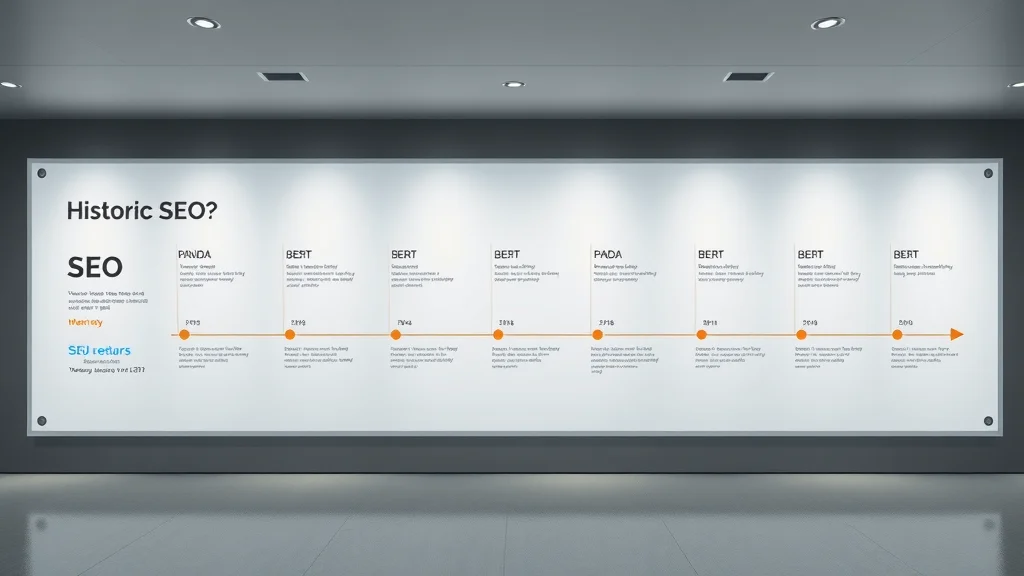
The “SEO is dead” chant is far from new. From the early 2000s, each major search algorithm update has sent shockwaves through the industry. In 2011, Google’s Panda punished thin content; 2012’s Penguin update targeted manipulative link-building. Each time, whispers emerged that SEO, as we know it, was finished. Yet, these were moments of transformation, not funerals. The field has repeatedly adapted, integrating technical SEO, schema markup, better content structures, and innovative digital marketing strategies.
Industry leaders, including Google’s own spokespeople, have often reminded us: “SEO is not about gaming the system, but about making great websites for users.” Every prediction of demise misses a crucial point—users will always need a way to discover high-quality content. Google and competing search engines will always seek to surface the best results. Yes, the playbook changes, especially with the rise of AI-enabled features. But the game remains, provided you’re willing to change tactics along with it.
Early predictions of SEO’s demise
Major Google search algorithm updates (Panda, Penguin, etc.)
How the field adapted over time
Notable quotes from industry leaders ('SEO is dead')
“SEO is constantly evolving, not dying. Adaptation is the only way forward.” — Search Industry Expert
AI Overview: How Artificial Intelligence is Shaping SEO
For marketers, this changes both tactics and focus: how do you appear in an AI-generated snippet, and what does “ranking” even mean in a world where user questions are answered before anyone clicks to visit a website?
The rise of AI search engines doesn’t eliminate the need for SEO—it raises the bar. Machine learning enables smarter detection of manipulative tactics, pushing marketers to focus on quality content, credibility (E-E-A-T), and genuinely helpful resources. Strategic adaptation, not abandonment, is the path forward.
The rise of AI overviews in Google search results
Use cases of machine learning in search algorithms
Case studies: AI mode and AI overviews changing the SERPs

AI Search: Adaptation or Extinction for Traditional SEO?
So, should we mourn SEO or seize the new SEO strategy opportunities?
Evidence suggests adaptation is vital. Human curation—people search results, expert analysis, product reviews—remains indispensable. There are still spots where people want to evaluate reviews, dive deeper, or compare brands before making decisions. SEO in 2024 isn’t about resisting change, but collaborating with AI, understanding new ranking signals, and ensuring your content answers questions comprehensively—whether for a human visitor or an AI chatbot. Ultimately, SEO now demands a blend of creative, technical, and AI-savvy skills.
The impact of AI search on ranking factors
How machine learning detects and penalizes manipulative tactics
Human vs. machine curation: can people search results survive AI?
Major AI Influences on SEO |
||
Year |
Update/Event |
Impact on SEO |
|---|---|---|
2015 |
Google RankBrain |
Introduced machine learning to ranking |
2019 |
BERT Algorithm |
Natural language processing |
2023 |
AI Overviews in search |
Contextual, AI-generated summaries |
2024 |
Google SGE, Generative Search |
AI-driven, intent-focused results |
Is SEO Dead? Examining the Arguments
The strongest arguments that “SEO is dead” focus on how organic visibility has been squeezed by AI overviews, direct answers, and paid placements. Critics note declining click-through rates and rising complexity as proof that old tactics—like basic link-building or keyword targeting—are obsolete. However, the reality is that SEO isn’t dying; it’s simply not the same discipline as it was a decade ago. What’s actually dead are shortcuts: manipulative, low-value tactics get penalized. What works now is adapting your SEO strategy to changes, leveraging sophisticated ai tools, and integrating content with genuine user intent in mind. Headlines may declare “SEO is dead,” but in fact, it’s evolving in lockstep with digital culture and technology.
Industry veterans frame this shift as a cycle. Search engines improve, black-hat approaches get weeded out, and savvy marketers retool. The misinterpretation comes from viewing SEO as static. Instead, it’s an ongoing process of learning and innovation, driven by Google Search’s mission to help users find the best answers—however those answers are delivered.
Key evidence cited by both sides
SEO strategy shifts post-AI overview
The misinterpretation of ‘SEO is dead’ headlines
“Calling SEO dead is like calling marketing dead every time an ad platform updates — it just changes the game.” — Digital Marketing Analyst

How Google Search Evolves: Trends Impacting Your SEO Strategy
Google Search is a living, breathing organism—with every update, user expectation and search behavior shifts. Search intent now dominates the field; keywords alone don’t win. Instead, understanding why people search and how they consume results is critical. Features like E-E-A-T (Experience, Expertise, Authoritativeness, and Trustworthiness) have taken center stage in ranking factors. Add to this zero-click searches, featured snippets, and AI overviews—each of which can reduce organic traffic to websites, but also create new visibility opportunities for those able to adapt.
The real takeaway: strategic adaptation is crucial. To thrive, SEO professionals must look deeper than mere traffic metrics. You need to craft engaging, authoritative, and evergreen content that aligns closely with evolving user needs and search engine advancements. Technical SEO—site speed, mobile usability, structured data—remains a support system, ensuring that quality content is accessible and indexed correctly.
Search intent and changing keyword behavior
The growing importance of E-E-A-T
Featured snippets, zero-click searches, and AI overviews

Modern SEO Strategy: What Still Works and What Doesn’t
So what SEO strategy elements still drive success in 2024? The essentials haven’t completely changed—only the expectations have risen
The technical side is still foundational. Fast-loading pages, flawless mobile experiences, site health monitoring, and correct implementation of schema markup ensure your site can be properly crawled and indexed by both traditional search engines and AI overviews. Last but not least, user experience signals—think navigation, clear structure, and accessible design—have become core to every successful SEO campaign. Ignore them, and even the best content risks getting buried.
Content quality, authority, and depth
Technical SEO and site health
User experience signals
AI Mode and the Future of SEO: Opportunity or Threat?
The prospect of machine-generated content, AI mode, and changing results pages might sound threatening, but viewed strategically, these are opportunities. Companies that incorporate AI tools—like AI chatbots for customer insights, content optimization systems, or advanced analytics platforms—gain a measurable edge. AI can rapidly identify topic gaps, highlight search intent trends, and surface new opportunities for content that human teams alone might miss.
But there are limits. AI cannot replicate human creativity, empathy, or genuine expertise. The most successful digital marketing strategies are those that blend the best of both worlds: leveraging AI for efficiency and insight, while preserving the unique voice, storytelling, and authority that only people can provide. In the AI-driven era, SEO isn’t about automation replacing humans—it’s about humans and machines working together to meet evolving user needs.
Opportunities to leverage AI mode for optimization
Limitations: what AI can’t replace in the SEO process
SEO strategy for the AI-driven era
Industry Voices: Expert Insights on 'Is SEO Dead?'
“SEO is alive, but it requires constant learning and adaptation to new technologies like AI and machine learning.” — Leading SEO Consultant
Industry consensus is clear: SEO isn’t dead, but it is perpetually in flux. Leading voices from Google, Moz, and SEMrush all reinforce the notion that adaptability is the number one predictor of ongoing success in SEO. The experts agree: understanding how AI overviews are generated, keeping up with the latest Google Search guidelines, and responding quickly to updates are now core job skills for anyone in the SEO industry. Stagnation is SEO’s only true killer.
SEO in the Age of AI: Success Stories and Lessons Learned
Plenty of organizations have thrived—even after major AI overview rollouts and algorithm updates. Sites that invested in comprehensive, high-value, semantically-rich content have found themselves featured in AI summaries and selected answers. Others, however, who relied solely on outdated tricks—thin content, spammy links, or ignoring technical SEO requirements—have vanished from the top search results page overnight. The big lesson: what worked yesterday may not work tomorrow, but those who innovate can still ride the waves of Google Search evolution to new heights.
Several brands applied AI tools for user research and topic ideation, enabling them to create highly-targeted blog posts or landing pages. Others simply doubled down on building trust signals—authorship, reviews, social proof—earning top marks with both human visitors and machine learning algorithms. Failure, when it happens, nearly always traces back to resistance to change.
Real-world case studies of surviving and thriving post-AI overview
Examples of failed tactics and the lessons for tomorrow’s strategies

'Is SEO Dead?' — Top Myths vs. Reality
Myth: SEO is obsolete because of AI search
Reality: SEO adapts with each technological wave
Myth: Google controls all visibility now
Reality: SEO strategy still provides compounding, long-term gains
Myth: Technical SEO is no longer important
Reality: Technical SEO underpins everything
People Also Ask About Is SEO Dead
Is SEO a dying field?
Current job market data for SEO professionals
Impact of AI on SEO careers
Projected trends in the SEO industry
Despite rumors, the demand for skilled SEO professionals remains robust. As AI tools and new features change the landscape, job roles simply shift—from pure keyword research to strategic content planning, technical SEO audits, and AI-driven analytics. The SEO industry continues to evolve, offering paths for specialization in areas like voice search, schema markup, and content strategy. If anything, new technologies are making SEO a more multifaceted and resilient career path.
See our animated explainer video on SEO career evolution, AI adoption, and current hiring data (video not displayed in HTML sample).
Is SEO a waste of time in 2025?
Evaluation of ROI on SEO in 2025
Comparison with other digital marketing channels
Factors that affect the ongoing value of SEO
In 2025, SEO remains a strong investment, especially when compared to pay-per-click or strictly social media campaigns. While paid ads offer faster wins, effective SEO strategy delivers compounding returns over time. The right approach balances smart content creation, technical optimization, and audience targeting—helping brands own valuable digital real estate in an increasingly crowded marketplace. Brands that measure, test, and continually upgrade their SEO campaigns see strong ROI and lasting authority.

Is SEO dead in AI?
The role of AI in search ranking
Can traditional SEO tactics survive?
How businesses are innovating to stay ahead
AI is reshaping how search engines rank and display content, but it hasn’t eliminated the need for SEO entirely. Traditional tactics that focus solely on technical tweaks or keyword placement are fading out. The future belongs to organizations willing to fuse classic SEO principles—clarity, authority, depth—with new AI tools, machine learning, and human creativity. Businesses that innovate, experiment, and adapt will continue to thrive.
Is SEO being phased out?
Statements from search engines
How search strategies are changing, not disappearing
Advice for marketers adjusting to new realities
Google and other search engines have openly stated that the purpose of search engine optimization is not going away—only the tactics and ranking signals are evolving. The smart marketer is always watching, analyzing, and adjusting strategies to keep up with new developments. Rather than feeling threatened by change, view it as an open door for skills growth, business visibility, and smarter digital marketing performance in the AI era.
FAQs: Is SEO Dead and the Future of SEO
How often does SEO actually “die”?
SEO “dies” in the headlines nearly every time a major Google algorithm update rolls out. In reality, it changes fundamental tactics, not the core discipline.What will replace SEO if it does die?
Content strategy, user experience, and digital PR will still be vital. The tools may change, but the principles—connecting users to answers—will persist.Can I still rank on Google search with organic tactics?
Yes. High-quality, relevant, and authoritative content plus strong technical SEO can still earn top spots—even with AI overviews.Is SEO still worth the investment for small businesses?
Absolutely. Local SEO, niche content, and well-optimized sites offer measurable ROI and help smaller brands compete with bigger rivals.How do I future-proof my SEO strategy?
Stay educated on trends, experiment with AI tools, focus on genuine value for users, and be quick to adapt to Google Search changes.
Key Takeaways: What You Should Remember About 'Is SEO Dead'
The main keyword “is SEO dead” is best understood as a call for adaptation, not resignation
AI, machine learning, and Google Search evolution require strategic pivots
SEO is not dead, but static approaches are
Conclusion: Why 'Is SEO Dead?' is the Wrong Question
SEO’s constant evolution keeps it alive; asking better questions about adaptation will drive lasting results in the AI-driven search era.
About the Author
Michael Jimenez is a journalist and fractional CMO fascinated by what people know and how they use it. He writes at the intersection of business, expertise, and real estate—capturing the lessons, strategies, and stories beneath the surface. To connect for interviews, collaborations, or a strategy session, schedule here





Write A Comment