
Add Row
Add Element
cropper
update
mrmichaeljimenez
update
Add Element
  • Home
  • Categories
    • Real Estate
    • Small business Resources
    • Media resources
    • Expert interviews
    • Business Profiles
February 27.2026
1 Minute Read

Mastering Viral Video Marketing: Proven Tactics to Boost Customer Engagement and Conversion

Michael Jimenez's Viral Video Marketing Edge for Business Leaders

In a fiercely competitive digital landscape, standing out is no longer just about what you say—it’s how you say it, when you say it, and who’s inspired to share it for you. For business owners, marketing directors, and growth-minded CEOs, the siren call of viral video marketing promises explosive customer reach and unmatched engagement. But, as Michael Jimenez of Wingroup Media warns, it’s a world riddled with misconceptions, lightning-fast trends, and an audience whose attention has never been more fleeting. Jimenez’s agency, rooted in San Diego and well-versed in turning digital tactics into repeatable successes, offers a playbook that’s as much about smart timing and strategy as it is about creative spark. Get ready as Jimenez cracks open the truths, common myths, and actionable strategies that business leaders can leverage to create videos that not only go viral—but convert.

Viral video marketing strategy session with digital trend analytics lightboard in modern office setting

"Many people assume virality is either pure luck or impossible because of the sheer volume of content online."
— Michael Jimenez, Wingroup Media

Cracking the Myth: Viral Video Marketing Is Achievable, Not Luck

A prevailing myth in the viral video marketing realm is that virality is pure chance—a flash in the pan reserved for megastars or those with immense budgets. Michael Jimenez challenges this head-on, emphasizing that strategic understanding trumps luck. According to Jimenez, many entrepreneurs hesitate, convinced that their content won’t be seen in a noisy digital world. Yet, as the digital marketing expert points out, video virality isn’t a lottery; it’s an outcome of timing, relevance, and tapping into the psychology of shareability. By dissecting the algorithms and social cues that fuel sharing, Jimenez empowers organizations to take control of their destiny rather than leave it to the whims of cyberspace. He notes that successful videos rarely happen by accident. They’re built atop a foundation of planning, trend analysis, and an adaptive mindset—a reality that opens the doors to any business, regardless of size or influence.

Jimenez’s experience at Wingroup Media underscores a simple but profound truth: the right strategic alignment multiplies the odds of organic reach. In today’s ecosystem, algorithms reward timely, audience-specific relevance and participation in trending conversations. Rather than fighting the current, brands that surf the ongoing waves of digital culture find themselves propelled to visibility at unprecedented speeds. The key isn’t magic—it’s about science, creativity, and the discipline to execute persistently. The expert’s perspective is that viral success stems from clarity of purpose, proactive monitoring, and the agility to act on insights faster than the competition.

Why Timely Video Content is Critical to Capturing Fleeting Attention

In an era defined by shrinking attention spans and instant gratification, the window for capturing viewer interest is narrower than ever. Michael Jimenez stresses that timing is everything. Content that rides the wave of a current event, challenge, or meme secures a critical edge—its perceived timeliness boosts discoverability and share potential. “If content doesn’t meet the moment, it risks being completely overlooked,” Jimenez observes, and this urgency shapes today’s most effective marketing playbooks. Gone are the days when marketers could plan campaigns quarters in advance without room for flexibility. Now, success demands vigilance: watching not just for trends, but for the precise moment a trend can create an authentic connection with your audience.

This emphasis on “real-time” strategy means the most contagious videos often reference pop culture, current affairs, or widespread behaviors within hours—or even minutes—of their emergence. For small business CEOs or digital managers, this may seem daunting, but Jimenez offers a reassuring viewpoint: by narrowing focus to your industry’s micro-trends and leveraging fast-turnaround creative teams, it’s possible to routinely produce ultra-relevant content that doesn’t demand Hollywood-level production resources. The critical insight here is that relevancy and immediacy now trump perfection, and those who recognize this shift are best equipped to command attention—and conversions—in the viral video marketing arena.

"If content doesn't meet the moment, it risks being completely overlooked. That urgency really shapes how marketers need to think."
— Michael Jimenez, Wingroup Media

Tapping Trending Challenges: The Pulse of Viral Video Marketing Strategy

Marketing team collaborating on viral video challenge in studio with trending props

"Tapping into current trends and challenges can significantly boost a video's chances of going viral today."
— Michael Jimenez, Wingroup Media

Aligning Video Content with Niche Trends to Maximize Engagement

According to Michael Jimenez, one of the most actionable levers for unlocking viral video marketing success is trend alignment within your specific niche. Large, generic trends might reach millions, but true impact comes when content reflects the pulse of your industry or audience’s subculture. “Stay within the balance of the trends that you’re going, whatever niche you’re working on,” Jimenez advises. He outlines that trend alignment is as much about timing as about context—by identifying which challenges, news items, or memes are gaining momentum in your vertical, you give your content a double advantage: increased discoverability and natural resonance with potential customers. He champions constant vigilance; marketers must keep one eye on audience data and the other on cultural currents. The most memorable campaigns are those that seamlessly weave what’s “hot” into what’s highly relevant for their followers.

It’s not just about copying what exists; it’s about creatively building on top of emerging ideas, then packaging these alignments with brand personality for genuine engagement. The expert’s perspective is that trend-savvy brands outperform the competition by delivering not just content, but timely contributions to ongoing digital conversations. This strategic engagement often becomes a force multiplier: videos embedded in the right niche context are more likely to be shared, discussed, and featured by others in the ecosystem, driving compounding visibility and conversions.

How Viral Video Waves Are Created: From Original Idea to Mass Participation

One of the most inspiring phenomena Jimenez observes is how an original video, when built upon a trend or challenge, rapidly snowballs into collective participation. He describes the journey: “someone comes up with a new idea, it catches on through other people, and then people put up videos for that, and it creates a viral moment. ” The mechanics of this wave aren’t random—they’re intentional and repeatable. It begins with keen observation and research, continues with creative production, and is propelled by community involvement. At Wingroup Media, the focus is on equipping clients with tools and frameworks to identify these “seed” moments and amplify them with targeted calls-to-action and social sharing incentives.

Jimenez emphasizes that for a viral wave to take root, content must be both imitable and personalizable. The most replicated viral phenomena are those anyone can film a version of, adding their own spin. Marketers who plant these seeds—inviting viewers to participate, riff, or remix—spark the multiplier effect that all brands crave in viral video marketing. Every share, response, or challenge entry compounds audience reach, creating not just buzz, but real business results.

  1. Monitor trending topics weekly within your niche.

  2. Create video content that creatively builds on these trends.

  3. Encourage audience participation through challenges and sharing.

  4. Leverage social media algorithms by rapid publishing and engagement.

  5. Measure conversions and refine based on data insights.
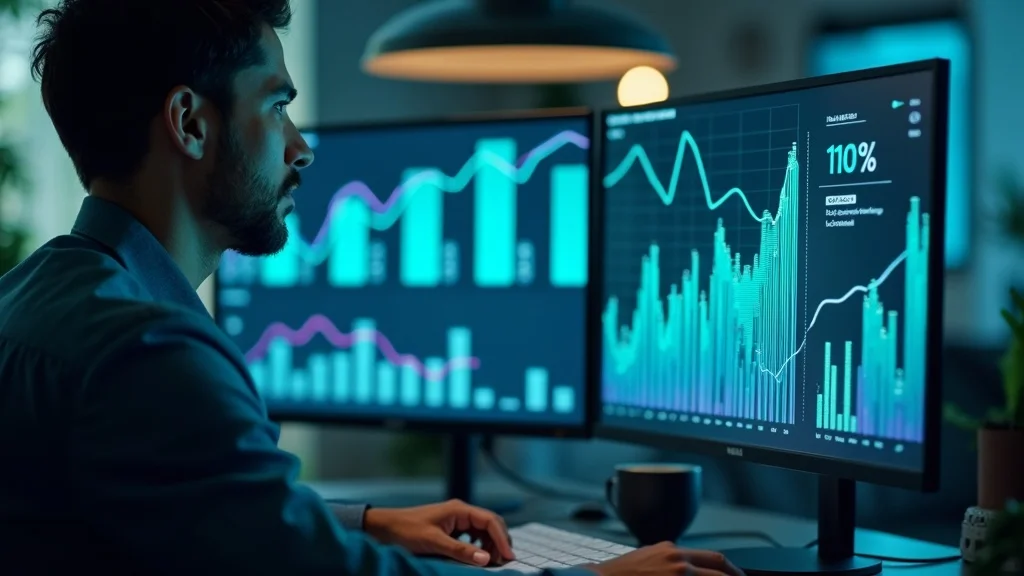
Viral video marketing campaign dashboard with engagement and conversion analytics

Expert Strategies for Business Owners and Marketing Teams to Boost Viral Video Impact

Navigating Shortening Attention Spans With Concise & Timely Videos

Shortening attention spans are no myth and, according to Michael Jimenez, they require a new style of storytelling for viral video marketing. The era of the four-minute explainer is fading; viewers want punchy, insight-rich media that hooks them in the first three seconds. Jimenez recommends adopting a nimble creation process, focusing on succinct stories aligned with current events and cultural shifts. “Trying to stay up on what’s happening now—not just globally, but within your audience’s context—gives you the edge to deliver what people are hunting for while they still care,” he explains. The heart of this approach is urgent relevance: deploy videos quickly and iterate based on real-time engagement data, rather than chasing slow perfection.

For business leaders, Jimenez’s advice is clear: empower teams with processes and tools that accelerate production without sacrificing message clarity. He points to Wingroup Media’s practice of rapid storyboard sessions, mix-and-match content creation, and streamlined approval chains as crucial to maintaining velocity. The result? Branded video content that’s always timely, always crisp, and always ready to seize the audience’s fleeting attention—and their action.

Social media strategy for concise viral video planning and timely content storyboard

Balancing Creativity and Trend Alignment: Key to Sustainable Virality

In his years of experience guiding brands through viral storms and quiet periods alike, Michael Jimenez believes that blending trend-driven themes with authentic creativity is the formula for repeatable success. It’s not enough to simply echo what’s already popular; savvy marketers must layer on unique brand perspective and original storytelling to stand out. “Just stay within the balance of the trends that you’re going…whatever niche you’re working on. And keep up to date on that,” Jimenez advises. Striking this balance helps brands avoid being “one-hit wonders,” instead cultivating a reputation for on-the-pulse invention.

Jimenez warns against the temptation to pursue every viral moment, which can dilute brand identity or exhaust creative teams. At Wingroup Media, the process involves rigorous vetting—does this trend fit the brand voice, the current campaign goals, and the core audience? When all boxes are checked, the outcome is content that not only goes viral, but also propels sustainable growth and deeper trust. The expert’s perspective is that lasting engagement flows from trend-aware creativity genuinely tailored to the brand’s ecosystem.

"Just stay within the balance of the trends that you're going whatever niche you're working on. And keep up to date on that."
— Michael Jimenez, Wingroup Media

  • Quick tips for mastering viral video marketing success

  • Common viral video marketing misconceptions debunked

  • Top pitfalls to avoid when chasing video virality

Creative marketer balancing viral video concepts and trends on digital tablet

Maximizing Viral Video Marketing ROI: Conversion-Focused Tactics

Leveraging Viral Video Momentum to Drive Customer Acquisition

Where viral video marketing truly proves its worth is at the bottom line—acquiring customers and turning attention into action. Michael Jimenez reveals that the most effective viral campaigns incorporate direct, conversion-focused elements from the outset. Calls-to-action, share prompts, and strategically embedded links transform passive viewers into active leads. But as Jimenez notes, the tone is crucial: anything too aggressive will shatter the communal, participatory spirit at the heart of virality. Instead, he recommends value-driven calls—offering something extra for participation, sharing, or clicking through. This bridges the gap between brand visibility and measurable business and customer acquisition outcomes.

Jimenez’s experience at Wingroup Media proves that the comments section and share metrics are as critical to campaign ROI as the initial view count. Monitoring participation, soliciting user-generated responses, and quickly responding to feedback keeps your brand in the center of the conversation, increasing the odds that social algorithms continue to promote your content. The expert’s perspective is that high-ROI viral video marketing is rooted in a feedback loop: launch, observe, adapt, and scale using data-fueled insights.

Integrating Viral Video Into a Broader Digital Marketing Strategy

While viral video marketing can create explosive results, Jimenez cautions against viewing it as an isolated tactic. Instead, he advocates for seamless integration with content marketing, paid advertising, and SEO for compounding returns. Imagine a video campaign that not only captures viral attention but also draws search engine traffic through smart transcriptions, follows up with retargeting ads, and fuels your email list for ongoing nurturing. At Wingroup Media, this interconnected approach delivers standout metrics: double-digit engagement rates, lower customer acquisition costs, and lasting gains in brand reputation.

According to Jimenez, the most successful business owners and marketing directors treat virality not as an end, but as a launchpad. The expert’s perspective is clear—those who funnel viral momentum into multi-channel strategies, from newsletters to retargeting campaigns, realize greater long-term value. Executives who understand this synergy set their organizations up for continued lead flow, referrals, and resilient competitive advantage in the digital age.

Celebrating viral video marketing ROI with team in corporate meeting room

Conclusion: Master Viral Video Marketing and Elevate Your Brand’s Engagement

Takeaway Summary: Harness Trends, Timing, and Authentic Creativity

Viral video marketing in 2026 is defined by agility, relevance, and relentless curiosity. The most successful brands are those who harness trends while respecting their audience's unique needs, timing content for maximum visibility, and infusing every frame with authentic creativity. Michael Jimenez, of Wingroup Media, distills it simply: the intersection of trend awareness and niche identity is where viral videos convert views into true customer relationships.

"The key is to combine trend awareness with your niche’s unique audience for viral success that converts."
— Michael Jimenez, Wingroup Media

Next Steps for Business Owners and Marketers

Business leaders ready to capture viral waves should start with weekly trend monitoring, rapid creative sessions, and a strong cross-channel promotion plan. Test, analyze, and iterate relentlessly—every success builds your brand’s reputation and customer base for the long haul. Want to explore how expert strategy and creative execution can fuel your next breakout campaign? Contact Wingroup Media today for a consultation and let viral video marketing drive your brand’s next surge in conversions and engagement.

About the Author
Michael Jimenez is a journalist and fractional CMO fascinated by what people know and how they use it. He writes at the intersection of business, expertise, and real estate—capturing the lessons, strategies, and stories beneath the surface. To connect for interviews, collaborations, or a strategy session, schedule here: Schedule Here


Small business Resources

2 Views

0 Comments

Write A Comment

*
*
Related Posts All Posts
01.07.2026

Struggling with business time balance? Here's the fix

Have you ever wondered if you're really in control of your business time balance – or is your schedule running your life? Finding harmony between your business responsibilities and your personal life isn’t just a dream for small business owners—it’s the foundation of successAre You Truly Mastering Business Time Balance?But have you stopped to ask: Is your work schedule supporting your goals—or simply consuming all your energy and attention? Mastering business time balance is no longer just a luxury; it’s essential for avoiding burnout, protecting your valuable time, and ensuring your small business thrives for the long termEffective time management isn’t only about setting boundaries with set work hours; it’s about intentionally making time for both your business and your personal life. As we’ll explore in detail, balancing these priorities can lead to greater job satisfaction, more fruitful workdays, and genuine enjoyment outside of your daily grind. For business owners, this balance can be the difference between feeling overwhelmed and feeling empowered. If you’ve ever questioned how much control you really have, or how to make time for what matters after the work hours end, this comprehensive guide will answer those doubts and offer real solutions.Understanding Business Time Balance for Business OwnersBusiness time balance refers to the conscious, strategic management of your time so that the demands of running a business no longer dictate every hour of your day. It’s not just about dividing your week to focus on work or personal life; it’s about being fully present and maximizing productivity during work hours, then truly unplugging to recharge and nurture your relationships during personal time. For today’s business owner—juggling emails, appointments, and often repetitive tasks—striking this balance is critical to maintaining both happiness and performance. Defining Business Time Balance in the Context of Small BusinessFor a small business owner, the concept of business time balance means thoughtfully allocating your hours between running a business and prioritizing your own well-being. Unlike the rigid 9-to-5, small business schedules can easily become blurred. Achieving this balance requires clarity: setting work hours tailored to your lifestyle and the demands of your enterprise. With clear routines and boundaries, business owners find that both work productivity and personal satisfaction quickly improve, leading to less stress and more fulfillment.The Real Impact of Work and Personal Life IntegrationFar from being separate spheres, your work and personal life constantly interact—and ignoring this fact often leads to diminished productivity and joy. When you integrate healthy business time balance into your daily habits, the lines become less a source of tension and more a seamless flow that supports both professional and personal growth. Whether it's enjoying unhurried family meals or having extra time to pursue hobbies, being intentional with your schedule empowers you to stay energized and focused on the task at hand, whether you’re on or off the clock."The key to successful business ownership is not just working harder, but working smarter — and knowing when to clock out."What You'll Learn: Unlocking Business Time Balance SolutionsFundamental concepts of business time balanceHow small business owners can effectively set work hoursStrategic approaches to managing time for both work and personal lifeTop methods for maintaining productivity while being fully present The Business Owner's Guide to Business Time BalanceWhy Business Owners Struggle With Work HoursBusiness owners often wear many hats, making it challenging to define clear work hours or truly set work boundaries. Between managing employees, dealing with urgent customer needs, and tackling endless to-do lists, it’s easy to fall into the trap of “just one more thing before the hours end.” This pattern traps you in a loop of overwork and under-rest, leaving little or no time for family, friends, or self-care. Long hours, if left unchecked, can feel like proof of your commitment—but in reality, they slowly erode both business and personal potential.The cost of neglecting business time balance isn’t only personal fatigue; it leads to diminished productivity, lack of creativity, and strained relationships. When business owners avoid setting precise work hours, the dividing line between your business and personal life blurs, causing stress and reducing your ability to be fully present—whether at work or at home. The right strategies can flip this narrative, giving you more control over your schedule, leaving room for both growth and relaxation.The Cost of Poor Business Time Balance in Small BusinessIn a small business setting, poor time balance manifests as late nights, missed milestones, and a constant feeling of running behind. These costs are significant: increased stress, missed opportunities to make time for family or rejuvenation, and eventual burnout. More critically, workers and owners alike experience the ripple effect of reduced motivation and innovation. By addressing business time balance, you can reclaim precious time, improve morale, and refocus your efforts on what truly drives both your bottom line and your personal joy.The Link Between Business Time Balance and Personal Life SatisfactionYour business and personal life aren’t competing forces; a healthy balance allows you to bring your best self to both. Research shows that business owners who set work hours and uphold boundaries enjoy better mental health and greater satisfaction in life. Scheduling even small pockets of personal time—whether for fitness, hobbies, or quality moments with loved ones—has a compounding positive effect, energizing your workdays and deepening your personal relationships. When your time and energy are managed strategically, every area of your life reaps the benefits.Ultimately, making business time balance a priority helps you avoid the trap of being “always on” and instead enables you to be fully present wherever you are. Whether you’re tackling key projects or enjoying a relaxed evening, this equilibrium gives you the space to think, innovate, and connect meaningfully—inside your small business and at home.Core Principles of Effective Business Time Balance Mastering Time Management Strategies for Business OwnersStart by auditing your current schedule: How much time do you spend on high-impact tasks versus repetitive tasks that could be streamlined or assigned to others? Tools such as digital calendars, task managers, and automated scheduling apps allow you to make the most of each day, optimizing both your valuable time and your productivityEffective time management also means planning the day ahead, setting realistic expectations, and allowing extra time for unforeseen tasks. Remember: mastering business time balance isn’t about filling every minute with work—it’s about ensuring you’re working smart during your set work hours and freeing up the rest of your week to focus on well-being and growth. The goal is to focus your efforts on what truly drives your business, then switch off fully to recharge and renew.Setting Clear Work Hours for Optimal Business Time BalanceEstablishing set work hours is one of the most powerful actions a business owner can take. Whether you opt for fixed work hours or a flexible schedule, the important factor is consistency. Announce your working hours to your team, clients, and even your family—making it clear when you are available and when you’ll be fully present elsewhere. This not only safeguards your personal time, it improves efficiency and professionalism in your small business operations.Remember, boundaries aren’t walls—they’re frameworks that keep your energy focused and your creativity flowing. When your work hours end, make it a habit to step away from your workspace, silencing notifications and engaging fully in your personal life. This practice builds trust both at work and at home, demonstrating that you respect your own schedule and that of others.Key Approaches to Business Time BalanceApproachDescriptionBenefitFixed Work HoursSet, consistent daily hoursImproves routine, reduces burnoutFlexible SchedulingAdjusting work hours to needsIncreases adaptabilityDelegationAssigning tasksFrees up time for strategic workSynchronizing Work and Personal Life for Small Business OwnersHow to Stay Fully Present Both Off and On the ClockBeing fully present means focusing your attention entirely on the activity or person in front of you, whether it’s a business meeting or a family celebration. Start by defining clear transitions between your work and personal roles. Turn off work email notifications at the end of your set work hours, schedule family activities as firmly as you would client meetings, and practice mindful engagement—avoiding distractions from social media or unfinished tasks during your downtime.This synchronization is especially important for small business owners, whose daily schedules may shift. The goal is not to rigidly compartmentalize, but rather to integrate work and personal life in a way that both can flourish. Whether you allocate specific days for strategic planning or hold sacred time for family meals, these routines protect your peace and multiply your effectiveness. Boundaries That Protect Your Business Time BalanceSetting and communicating clear boundaries is the cornerstone of lasting business time balance. This may include scheduling “office hours” that you respect as much as your clients do, keeping your workspace separate from your living area, and letting your business partner or team know when you are and aren’t available. These boundaries empower you to focus intensely on work while it matters, then truly unplug and recharge during personal time.When boundaries are honored by all involved, business owners are less likely to feel overwhelmed or miss out on life’s most important moments. Over time, these habits carve out extra time for creativity, wellbeing, and deeper relationships, fueling your small business with renewed enthusiasm and vision.Proven Tools to Improve Business Time BalanceTime tracking softwareAutomated scheduling appsCollaboration platforms for business ownersDigital calendars tailored for small business Success Stories: Business Owners Who Achieved Business Time Balance"Since adopting a business time balance mindset, my small business and personal life both thrive." - A Satisfied EntrepreneurAcross industries, business owners are finding that taking control of their schedules leads to lasting results. By implementing set work hours, they report higher productivity, less stress, and deeper connections with their teams and families. Others have leveraged tools like time tracking software and delegation platforms to make their businesses run smoother—freeing up valuable time to make memories outside of work. The journey isn’t about perfection, but about progress: every step toward better balance brings both business and personal rewards.People Also Ask: Business Time Balance Frequently AnsweredWhat is the meaning of balance time?Balance time means creating equilibrium between work hours, business responsibilities, and personal life enjoyment, helping small business owners avoid burnout and increase satisfaction.What is the meaning of business time?Business time refers to the standard hours allocated for business activities and operations, whether for solo business owners or within small business teams.What is business balance?Business balance describes the practice of harmonizing work obligations with personal time, allowing business owners to succeed in both areas.What is standard business time?Standard business time is the commonly observed start and end of a workday in various industries, offering a guideline for when business operations should occur.Key Takeaways: Achieving Business Time BalanceBusiness time balance is crucial for productivity and well-being.Set work hours help maintain boundaries.Utilize technology to optimize your schedule.Pursue business balance for both professional and personal fulfillment.FAQs on Business Time BalanceHow can business owners start achieving better time balance?Begin by auditing your current schedule and identifying non-essential or repetitive tasks that can be delegated or automated. Next, set clear work hours and communicate these to those involved in your business and home life. Leverage digital tools such as calendars and time trackers, and reserve pockets of your week to focus exclusively on personal or family priorities. Consistency is key—a routine, once formed, becomes your strongest ally in protecting business and personal balance.Is business time balance possible for fast-paced small business environments?Yes! While small businesses often face unpredictable demands, you can still achieve balance through flexible scheduling, smart delegation, and proactive organization. Make sure to set work hours, even if they vary week by week, and commit to honoring personal time as fiercely as business appointments. Use technology to automate scheduling, reduce manual busywork, and ensure that both your business and your life get the attention they deserve.What tools support business time balance for multiple owners?Collaboration platforms, shared digital calendars, and automated task managers are invaluable for small businesses with multiple owners. These tools help synchronize work hours and personal time, reduce scheduling conflicts, and allow each business partner to stay fully present in both work and personal domains. By leveraging joint tools, teams can maintain transparency and accountability while supporting one another’s business time balance. Ready to Optimize Your Business Time Balance? About the Author Michael Jimenez is a journalist and fractional CMO fascinated by what people know and how they use it. He writes at the intersection of business, expertise, and real estate—capturing the lessons, strategies, and stories beneath the surface. To connect for interviews, collaborations, or a strategy session, schedule here For more information email us at onegreatmarketer@gmail.com

12.19.2025

Discover the Hidden Power of marketing treads of 2026 to Transform Your Strategy

Did you know that over 70% of successful brands are preparing to embrace the most dynamic marketing treads of 2026 in just the first half of the year? This isn’t just another buzzword-laden predictionUnveiling the Marketing Treads of 2026: Startling Facts and a New Era"According to industry reports, over 70% of successful brands are set to adopt the latest marketing treads of 2026 within the first half of the year."The pace of innovation has never been more relentless. The marketing treads of 2026 are not just incremental changes—they represent a massive leap. From generative AI tools steering content personalization to the resurgence of email marketing, the future belongs to brands that evolve swiftly. The mainstream adoption of next-gen messaging, immersive AR tech, and meaningful community engagement through social media is redefining how consumers connect and interact. Companies that pay close attention to what Google values—trust, authority, and transparency—will capture search engine visibility and brand equity unlike ever before.What does this mean for business owners and marketers? Simply put, to achieve brand growth and remain competitive, you must integrate these new marketing trends into your marketing strategyWhat You'll Learn About Marketing Treads of 2026Emerging marketing trends and their impact on your brandThe transformation of content marketing and email marketing strategiesWhat Google’s latest concerns mean for your content teamHow generative AI is reshaping traditional search and brand growthThe Core Drivers Behind Marketing Treads of 2026How Consumer Behavior Is Shaping Marketing TrendsConsumer expectations have dramatically shifted in recent years, with digital-first natives demanding more personalized, authentic, and interactive experiences from brands. Today’s customers perform more research, rely on instant digital feedback, and expect real-time communication from businesses they support. As research shows, the days of mass, generic messaging are gone—people want connection, not marketing slop. Modern consumers are empowered with technology, making them more selective and vocal about their experiences. This is why the marketing treads of 2026 put a premium on rich, value-driven content that speaks directly to real people, helping brands build trust and loyalty in ways that translate directly into brand growth.The global rise of AI tools and continuous connectivity on mobile devices ensures that consumers are always “on”—and always comparing brands. For local businesses and global enterprises alike, the challenge is adapting fast enough to meet these evolving needs, or risk losing relevance. Incorporating insights from customer experience research can significantly improve content strategy, while investing in interactive formats like video content and AR tech can increase brand equity. The core lesson is simple: brands that listen closely and respond authentically will outpace competitors in the coming digital era.The Role of Technology: Generative AI and Traditional SearchTechnology’s accelerating pace is the ultimate force behind the new marketing era. Generative AI, as an ai tool, will move out of beta and into the daily workflow of every progressive content team. This shift isn’t just about efficiency or scale—it’s about deciphering consumer intent and creating microscopically tailored content in an ethical, transparent way. AI agents will filter, sort, and predict behavioral trends, helping businesses create narratives that resonate deeply with their audiences while respecting privacy. By 2026, generative AI won’t be a luxury—it will be indispensable to personalized outreach and competitive content strategy."Generative AI will become indispensable in deciphering consumer intent and personalizing outreach in 2026."Traditional search is being remade, too. AI search engines are getting smarter, prioritizing well-structured, trustworthy content over shallow SEO tricks. Brands that focus on genuine value, consistently update their strategies, and use AI content for creative collaboration—not just production—will earn higher search results and lasting authority. In summary, the future belongs to those who bridge artificial intelligence with human creativity and ethical storytelling.Major Marketing Treads of 2026 to WatchContent Marketing Innovation in 2026Content marketing will be revolutionized by AI and automation, making creativity, strategy, and authenticity central points of differentiation. The marketing treads of 2026 see a move away from mass-produced, forgettable content toward adaptive, value-driven storytelling. AI agents will streamline content creation, allowing marketers to focus on insight-driven strategy and human touch. This doesn’t mean AI slop taking over; instead, it’s about amplifying the reach and resonance of your real content team’s ideas. Advanced AI tools will help cut through the noise—sorting, summarizing, and refining long-form blog posts, interactive pieces, and even short-form video content for multiple audience segments.But the real innovation will lie in context and connection. Successful brands will craft content that is not just SEO-optimized for search engines, but genuinely compelling for their audience. By relying on trend data, feedback loops, and immersive formats (from podcasts to AR-powered experiences), top marketers will keep users engaged from first click to loyal customer. In short: only those who combine generative AI with bold, creative strategies will achieve sustainable brand growth in the content landscape of 2026.Email Marketing—Resurgence and ReinventionThink email marketing is outdated? Think againThis transformation extends beyond tools; it’s also about strategy. Brands that set clear objectives, test rigorously, and connect their email marketing efforts to wider content and social media campaigns will experience stronger open rates and conversions. Marketers leveraging video content, AR tech integrations, and real-time feedback loops via AI tools are already seeing significant gains. As global privacy standards evolve, expect a premium on transparent opt-in policies and value-driven messaging—fostering long-term trust and more meaningful engagement.Social Media’s Next Evolution: Community-First Marketing TrendSocial media is entering a new phase in 2026—the era of community-first marketing. No longer is it enough to simply broadcast; the future of marketing trends lies in fostering authentic conversation, shared experiences, and brand-driven communities. Platforms will prioritize brands that engage real people, reward interaction, and nurture advocates. This shift enables even small business owners and local businesses to build their own passionate micro-communities, increasing reach through genuine relationships rather than paid virality.Tools powered by generative AI will help brands identify conversation themes, uncover rising community needs, and automate initial touchpoints. However, the secret to lasting success on social media is, and always will be, human connection. The most effective social strategies will blend technology with relatability, leveraging influencers, user-generated content, and experiential campaigns that drive both trust and emotional connection. The message for 2026: brands that make community a priority will earn loyalty, advocacy, and sustained growth.Personalization at Scale: Using Data EthicallyPersonalization is the holy grail of modern marketing strategy, but in 2026, it’s not just about reaching customers—it’s about respecting them. As generative AI and AI agents power custom experiences for every individual, the ethical collection and use of data will distinguish leaders from laggards. Users are more aware—and more skeptical—of how their data is being used, and regulations are getting stricter. That’s why the best marketers will take a “data-minimalist,” transparency-first approach: explain what data you collect, why you need it, and how it brings value to the customer. This method turns compliance into brand trust and gives your content team a strong foundation for innovation.Savvy brands are already moving beyond simple segmentation, using AI tools to deliver hyper-personalized content at every step of the customer journey, from onboarding emails to loyalty programs. But if you overstep, you risk eroding brand equity and violating customer trust. To stay ahead, implement clear privacy protocols, provide easy opt-outs, and communicate openly. The result: satisfied, loyal customers and a competitive edge in the ethical marketing trends race.Brand Growth in the Age of Marketing Treads of 2026What Google Is Watching: Brand Authority and Trust in Marketing TrendsGoogle’s continued evolution is reshaping the digital landscape—and brand growth hinges on understanding what the search giant values most. Backed by algorithm updates that reward high-quality, authoritative, and trustworthy content, Google now places even greater emphasis on expertise and transparency than ever before. This means marketers and business owners can no longer rely on outdated SEO tactics or shallow keyword stuffing to climb the rankings. Instead, they must focus efforts on demonstrating brand authority, earning trustworthy backlinks, and providing deep, research-backed content that solves real problems.Google’s increasing reliance on AI-powered search engines also signals a shift in how content is interpreted and ranked. Brands that make the extra effort to develop thorough, well-sourced articles, varied content formats (video, audio, interactive), and transparent about-values messaging will not only position higher in search results, but also foster loyalty and conversion. In other words, your brand’s future will depend as much on how you earn trust as on how you use the latest tech trends.Practical Ways to Drive Brand Growth with 2026 Marketing TreadsTo achieve brand growth with the new marketing treads of 2026, your strategy must go beyond automation and personalization. Begin by strengthening the bridge between your content team and the frontlines of customer feedback. Encourage a culture where your marketing team listens, adapts quickly to new information, and collaborates closely with sales and customer service. Leverage generative AI and data-driven insights, but support them with genuine human creativity—mixing AI prediction with the empathy of real people.Brands that align their messaging with consumer intent, use AI agents for optimizing campaigns, and provide consistent, valuable engagement across email marketing and social media will outperform less nimble competitors. Invest in continuous learning, keep a pulse on emerging marketing trend data, and never lose sight of the ethical standards that underpin trust. Collaboration is key: form agile, cross-functional teams to ensure you’re always one step ahead in the marketing race of 2026.Building an Agile Content Team for the Marketing Trends AheadThe heart of winning in 2026’s marketing environment is an agile, empowered content team. In today’s volatile market, static hierarchies and siloed operations just won’t cut it. Instead, businesses must foster dynamic, flexible teams with diverse skills—blending traditional writers and digital creatives with AI tool experts and data analysts. Regular upskilling and role rotation will keep your team sharp, adaptable, and ready to seize new opportunities.Encourage your team to co-create, iterate on feedback, and experiment with emerging formats. Let them test video content, AR experiences, and interactive storytelling, all supported by generative AI for faster, smarter execution. Remember: your competitors are adopting these marketing trends, too. Only those who balance the creative spark of real people with the efficiency of AI will thrive.The Impact of Marketing Treads of 2026 on Traditional SearchAdapting SEO Strategies for Next-Gen Marketing TrendsAs marketing trends evolve, so must your SEO strategies. Traditional search is adapting rapidly, with AI search engines changing how content is indexed and ranked. Standard keyword optimization is fading, replaced by a holistic focus on content quality, trust, context, and user satisfaction. This means embracing advanced schema, better internal link structures, and the integration of video content—ensuring all formats are findable and relatable.Businesses must monitor Google algorithm changes and align their strategies with user intent and trust-building signals. Investing in content team education on AI tools and data ethics will keep your brand agile and visible. Further, local businesses should prioritize accurate business data, reviews, and community involvement for stronger local search presence in the coming years. Your north star should always be creating genuinely helpful resources that both users and search engines reward.Generative AI and Search: A New Marketing Trend?Generative AI isn’t just revolutionizing content creation; it’s fundamentally altering the way search engines interpret and deliver results. Over time, AI-driven search will become more conversational and context-aware, surfacing content that matches nuanced user intent rather than just matching keywords. This shift rewards brands who think beyond standard optimization and invest in deep, evergreen value—helping them adapt to both current and future shifts in the marketing landscape.Smart marketers will update their playbooks to reflect this new reality: producing original, multimedia content, answering users’ real questions comprehensively, and building authority across both cornerstone and fresh content. The brands who can stay ahead of this curve—by blending traditional expertise with next-gen AI analytics—will dominate the search results of tomorrow.Comparing 2026 Marketing Treads: Opportunities vs. RisksTrendOpportunitiesRisksGenerative AI IntegrationHyper-personalization, faster content creation, deeper user insightsData privacy violations, AI slop, loss of authentic voiceCommunity-First Social MediaStronger loyalty, increased organic reach, real-time feedbackTime investment, need for constant moderation, potential brand misstepsEmail Marketing ReinventionHigher open/click rates, enhanced retention, measurable ROISpam risks, compliance challenges, “banner blindness”Data-Driven PersonalizationTailored user journeys, better conversion rates, brand equityLoss of trust if overused, GDPR/non-compliance finesImplementing Marketing Treads of 2026 in Your BusinessAssessing Your Current Strategy Against Emerging Marketing TrendsAudit your content strategy—does it rely on outdated “spray and pray” tactics, or does it reflect real audience needs? Look at your tech stack: are you experimenting with AI tools for insights or still relying on manual guesswork? Evaluate your e-mail marketing and social media campaigns for personalization, relevance, and transparencyRemember, effective transformation is rooted in self-awareness. Recognizing your strengths and opportunities for development will set the stage for successfully integrating generative AI, evolving your workflows, and focusing your marketing strategy on what delivers real business growth.Steps to Integrate Generative AI in MarketingIntegrating generative AI into your strategy doesn’t require a total overhaul or an immediate jump to complex automation. Start by piloting AI-powered analytics to identify meaningful customer segments and content themes. Collaborate with your content team to use AI tools for idea generation and content optimization, then test the output against feedback from real people. Upgrade your email marketing campaigns with AI-predicted send times, content blocks, and dynamic personalization, always with an ethical approach.Stay focused on agility—test, learn, and iterate your approaches. As you gain confidence with new tools, advance to more ambitious AI-driven projects, such as interactive video content or context-aware chatbots. The most successful business owners will be those who champion responsible experimentation and keep pushing the boundaries of what’s possible with these emerging marketing trends.Building Collaborative Content TeamsA collaborative, cross-disciplinary content team is your best asset in 2026. Blurring the lines between marketers, analysts, tech specialists, and creatives allows for faster, more innovative responses to the ever-changing digital world. Foster a culture where feedback is welcomed, failures are learning moments, and success comes from shared goals. The best teams experiment with both content and technology—testing co-authored AI content, staging brainstorms with virtual whiteboards, and harnessing the power of real people to spark creativity.Reward curiosity, invest regularly in professional development, and recognize contributors who embrace both the art and science of marketing. This kind of environment not only keeps your marketing strategy fresh but ensures your business growth is both sustained and scalable.Best Practices: Email Marketing for 2026 and BeyondEmail marketing remains one of the highest ROI digital channels, but its future belongs to brands who embrace innovation and respect privacy. First, segment your lists with a focus on respect—let subscribers choose their preferences and adjust frequency. Use AI tools to analyze engagement patterns and optimize send times and formats. Craft emails that leverage interactive features, embedded video content, and clear calls to action for higher engagement rates. Always prioritize clear, value-driven messaging and honor opt-outs or data privacy requests immediately.Audit your existing content marketing approachInvest in upskilling content teams for AI-driven tasksRegularly review your data ethics and privacy protocolsExperts Weigh In: Are Marketing Treads of 2026 Overhyped?"Many brand strategists argue that while some marketing trends are fleeting, the focus on deep personalization and AI integration is here to stay."The panel consensus? While an endless stream of new tools and trends floods the marketing world, deep personalization and generative AI aren’t fads—they’re permanent paradigm shiftsForecast: What Will Separate Leaders from Followers in 2026 Marketing TrendsContent Team Agility and Continuous LearningThe gulf between top-performing brands and the rest will widen based on one factor: the agility and learning mindset of the content team. High performers will empower teams to pivot quickly, absorb market feedback, and continuously test new strategies—ensuring they’re never caught off guard by shifting trends or algorithm changes. Cross-training, online courses, and regular collaboration with thought leaders make this culture possible. Remember, the brands that win in 2026 are those whose teams are energetic, open to change, and constantly leveling up their skills for the marketing trends ahead.Future-Proofing with Data-Driven, Ethical Marketing Trend StrategiesData-driven decision-making is no longer optional—it’s a baseline expectation for serious marketers. The key to future-proofing is to use advanced analytics and AI insights responsibly, striking a balance between personalization and privacy. Develop a culture of transparency with your customers, letting them know exactly how their data will be used, and invest in regular compliance checks. Don’t just chase every trend; instead, measure what works in your context and focus your energy there. The leaders of 2026 will be those who translate business growth goals into clear, data-ethical marketing strategies—with the courage to reel back when needed and innovate with integrity.Challenges and Pitfalls of Adopting New Marketing Treads— Watch an animated timeline with kinetic transitions, spotlighting shifts in content, email, and AI marketing. Ends with a call to continual learning and adaptability in marketing.Balancing Innovation with Brand TrustThe lesson? Test new marketing trends iteratively, gather candid feedback, and always align innovations with your core values and promisesAvoiding Overdependence on Generative AIGenerative AI is powerful, but it must remain a tool, not a replacement for human connection and creativity. Overreliance can lead to generic, unmemorable content and a decline in audience loyalty. Top companies use AI tools to amplify their unique voice rather than dilute it, and keep real people at the center of ideation and storytelling. Build in regular review processes to guard against bias, redundancy, or missed cultural nuances from automated content. In short: let AI help you stay ahead, not do the thinking for you.People Also Ask About Marketing Treads of 2026What are the most important marketing treads of 2026?The most important marketing treads of 2026 include hyper-personalization powered by generative AI, the integration of immersive technologies like AR tech, a heavy focus on ethical and data-transparent practices, and a major resurgence in community-driven brand storytelling. These changes will affect everything—from how you approach content creation and email marketing to the new ways you engage customers on social media and through search engines. Successful brands will prioritize agility, creativity, and ethical responsibility in all areas of their marketing strategy.How will generative AI impact content marketing in 2026?Generative AI will transform content marketing by enabling brands to generate, curate, and optimize content at scale—without sacrificing quality or relevance. This means a more tailored customer experience, smarter audience segmentation, and less “guesswork” in content strategy. However, successful brands will ensure a balance between machine efficiency and genuine human insight, making their content both impactful and relatable, not just plentiful.Will email marketing remain relevant with new marketing trends?Email marketing will not only remain relevant, but will emerge as a critical pillar of the 2026 marketing strategy. Advanced personalization, interactive features, and integration with other channels will drive stronger open rates and richer engagements. When paired with a focus on transparency and privacy, email becomes the bridge connecting brands to their most loyal customers and prospects—even as channels and technologies evolve.How can brands ensure ethical use of data in 2026 marketing trends?Brands can ensure ethical data use by adopting clear privacy policies, emphasizing consent, and regularly reviewing compliance with global data protection laws (like GDPR). Leaders will invest in employee training, deploy transparent opt-in processes, and clearly communicate how data is used. Most importantly, maintaining active dialogue with users about their data preferences allows brands to deliver tailored experiences while building lasting trust.Answers to People Also AskHighlighting the rise of AI, hyper-personalization, and ethically-driven brand storytelling.Exploring new AI tools for scalable content, with a renewed emphasis on quality and authenticity.Showcasing email marketing's evolution to hyper-targeted, interactive formats.Providing steps for data transparency and compliance with global regulations.Key Takeaways: Transformative Power of Marketing Treads of 2026Marketing treads of 2026 center on agility, personalization, and ethical practices.Early adoption and continuous learning are critical for sustained brand growth.Brands must adapt strategies to stay ahead of evolving marketing trends.Frequently Asked Questions about Marketing Treads of 2026How fast should companies adapt to new marketing trends?Companies should adapt quickly but strategically. Rushing into every new marketing trend can waste resources and erode brand equity, but staying too cautious may leave your brand behind. Prioritize early pilots, measure outcomes, and scale successful tactics. Continuous learning and proactive adjustments give you the best chance to both innovate and protect your core values.What are common mistakes when following marketing treads of 2026?Common issues include ignoring brand values, overlooking privacy regulations, and relying too heavily on automation at the cost of authenticity. Another mistake is failing to keep your content team’s skills up to date or underinvesting in creative experimentation. Avoid these pitfalls by emphasizing ethical practices, ongoing team development, and a balanced approach to technology and human insight.What resources are available for learning about marketing trends?Staying on top of marketing trends is easier if you follow leading industry publications, subscribe to Google updates, and actively test recommended ai tools. Engaging with thought leaders, attending webinars, and collaborating with your content team on professional development will help maintain your competitive edge in a shifting landscape.Addressing the value of proactive but strategic adoption.Pitfalls include ignoring core brand values or privacy regulations.Recommending top industry publications, Google updates, and AI tools for marketers.Share Your Perspective on the Marketing Treads of 2026"Ready to future-proof your strategy? Email me at onegreatmarketer@gmail.com with your thoughts or questions!"Take action now: Audit your current approach, invest in team skills, and keep an ethical compass—these are your keys to leading with the marketing treads of 2026. Your move shapes the future!

10.25.2025

How Are Small Businesses Adapting to Rising Inflation Challenges?

Explore effective business strategies for rising inflation to help your small business thrive amidst economic uncertainty.

Terms of Service

Privacy Policy

Core Modal Title

Sorry, no results found

You Might Find These Articles Interesting

T
Please Check Your Email
We Will Be Following Up Shortly
*
*
*